
go
IPA: /ɡəʊ/
to move or travel away from one place
English vocabulary by topic
Useful verbs for walking, travelling, arriving, leaving and returning.
Go to the wordsGo and come show direction: go usually means movement away from the speaker or towards another point, while come means movement towards the speaker or a place where they will be. Arrive, leave and return describe stages of a journey.
Walk, run, drive and fly specify how someone travels. Carry means moving something while holding it, while follow means moving behind someone or taking the same route.
Vocabulary
Use the speaker icon to hear each word in British English.
IPA: /ɡəʊ/
to move or travel away from one place

IPA: /kʌm/
to move towards the speaker or a particular place

IPA: /əˈraɪv/
to reach a place at the end of a journey
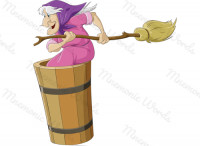
IPA: /liːv/
to go away from a place

IPA: /muːv/
to change position or travel to a different place

IPA: /wɔːk/
to move on foot at a regular pace
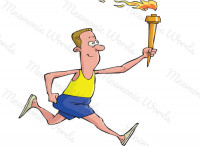
IPA: /rʌn/
to move quickly on foot

IPA: /draɪv/
to control and travel in a motor vehicle

IPA: /flaɪ/
to travel through the air

IPA: /ˈkærɪ/
to hold something while moving it
IPA: /ˈfɒləʊ/
to move behind or along the same route as someone

IPA: /rɪˈtɜːn/
to come or go back to a place
01
02
We walked to the station and arrived on time.
Please carry this bag and follow me.
We flew to Lisbon and drove to the hotel.
Quick answers
Go usually describes movement away from the current point. Come describes movement towards the speaker or a place where the speaker will be: Go to the office; Come here.
Use arrive in with countries and cities: arrive in Spain. Use arrive at with a specific point: arrive at the station. Do not normally use to after arrive.
Go describes movement or a journey without specifying the method. Walk specifically means travelling on foot.
Continue in Mnemonic Words
Add words from “Movement verbs” to the app and review them in small moments — at home, on the go or whenever you have a minute.
From the Mnemonic Words team
GoNative
With GoNative, you can build a vocabulary list of your own and make steady progress at a pace that feels right.
German · French · Italian · Spanish · Portuguese · Polish