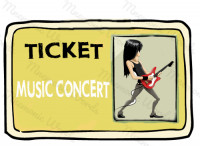
ticket
IPA: /ˈtɪkɪt/
a paper or digital record that allows you to travel or enter a place
English vocabulary by topic
Essential words for planning a trip, navigating stations and airports, handling luggage and reaching your destination.
Go to the wordsTicket, passport, luggage and suitcase are useful before departure. Station, platform and flight help you navigate the journey, while map, destination and tourist become useful when you arrive.
A trip normally describes the whole visit and often includes the return. A journey focuses on movement from one place to another. Travel is the broad idea and is usually an uncountable noun or a verb.
Vocabulary
Use the speaker icon to hear each word in British English.
IPA: /ˈtɪkɪt/
a paper or digital record that allows you to travel or enter a place
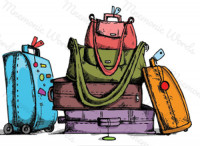
IPA: /ˈlʌɡɪdʒ/
the bags and suitcases you take on a journey
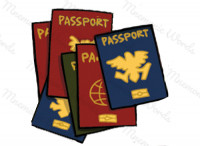
IPA: /ˈpɑːspɔːt/
an official document used to travel between countries

IPA: /ˈdʒɜːnɪ/
the act of travelling from one place to another
IPA: /trɪp/
a journey to a place and usually back again
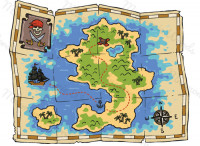
IPA: /mæp/
a drawing or digital view showing places and routes
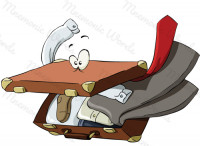
IPA: /ˈsuːtˌkeɪs/
a case with a handle used for carrying clothes while travelling

IPA: /ˈsteɪʃən/
a place where trains or other public transport stop

IPA: /flaɪt/
a journey through the air in an aircraft
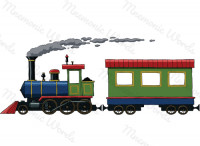
IPA: /ˈplætfɔːm/
the raised area beside a railway track where passengers wait
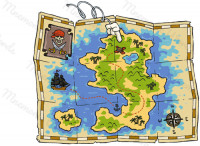
IPA: /ˌdɛstɪˈneɪʃən/
the place that someone is travelling to

IPA: /ˈtʊərɪst/
a person who visits a place for pleasure
01
02
Where can I buy a ticket?
Which platform does the train leave from?
My luggage is already on the flight.
Quick answers
A trip is the complete visit and often includes the return. A journey is the movement from one place to another, especially when the time or experience of travelling matters.
No. Luggage is uncountable. Say some luggage or a piece of luggage. For one item, use a bag or a suitcase.
A ticket gives access to a particular journey or event. A passport proves identity and nationality for international travel.
Continue in Mnemonic Words
Add words from “Travel” to the app and review them in small moments — at home, on the go or whenever you have a minute.
From the Mnemonic Words team
GoNative
With GoNative, you can build a vocabulary list of your own and make steady progress at a pace that feels right.
German · French · Italian · Spanish · Portuguese · Polish