
say
IPA: /seɪ/
to use words to express something
English vocabulary by topic
Useful verbs for conversations, questions, answers, explanations, calls and written communication.
Go to the wordsSay, tell, speak and talk can all describe verbal communication, but their patterns differ. Say focuses on the words, tell usually names a listener, speak works for languages and more formal speech, and talk describes a conversation.
Ask and answer form a natural question-and-response pair. Explain, describe and discuss develop an idea, while call, write and read cover communication by phone and in writing.
Vocabulary
Use the speaker icon to hear each word in British English.
IPA: /seɪ/
to use words to express something

IPA: /tɛl/
to give information to someone
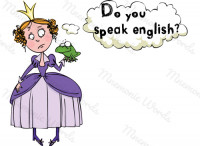
IPA: /spiːk/
to use your voice or communicate in a language
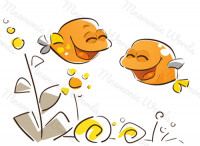
IPA: /tɔːk/
to have a conversation with someone

IPA: /ɑːsk/
to request information or something you need

IPA: /ˈɑːnsə/
to respond to a question, message or call
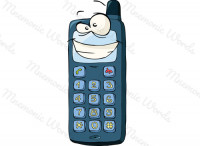
IPA: /kɔːl/
to contact someone by phone or give a name
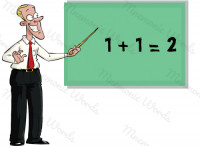
IPA: /ɪkˈspleɪn/
to make an idea or situation clear

IPA: /dɪˈskʌs/
to talk about a subject and exchange ideas

IPA: /dɪˈskraɪb/
to say or write what someone or something is like

IPA: /raɪt/
to make words or symbols on a surface

IPA: /riːd/
to look at and understand written words
01
02
Read the message and tell me what it says.
She called to ask a question.
We discussed the problem and wrote down the answer.
Quick answers
Say usually introduces the words: say hello. Tell normally names the person receiving the information: tell me the truth.
Speak often sounds more formal and is used with languages: speak English. Talk commonly describes an informal conversation: talk to a friend.
Use ask before a question: ask a question. Ask for means request a thing, service or help: ask for help.
Continue in Mnemonic Words
Add words from “Communication verbs” to the app and review them in small moments — at home, on the go or whenever you have a minute.
From the Mnemonic Words team
GoNative
With GoNative, you can build a vocabulary list of your own and make steady progress at a pace that feels right.
German · French · Italian · Spanish · Portuguese · Polish