
be
IPA: /biː/
to exist or describe a state, identity or quality
English vocabulary by topic
High-frequency verbs for building simple requests, questions and everyday statements.
Go to the wordsBe, have, do, say, go, come, get, make, know, think, take and see appear in a wide range of situations. Each has several uses, so learn these verbs through short combinations rather than one isolated definition.
Start with practical patterns: be ready, have time, do the work, say hello, go home, come back, get a message, make dinner, know the answer, think about it, take a seat and see a friend.
Vocabulary
Use the speaker icon to hear each word in British English.
IPA: /biː/
to exist or describe a state, identity or quality

IPA: /hæv/
to own, contain or experience something
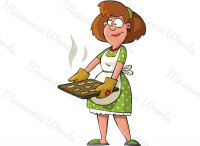
IPA: /duː/
to perform an action, task or activity

IPA: /seɪ/
to speak words or express something

IPA: /ɡəʊ/
to move or travel away from one place

IPA: /kʌm/
to move towards the speaker or a particular place
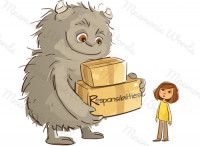
IPA: /ɡɛt/
to receive, obtain or become something

IPA: /meɪk/
to create, produce or cause something

IPA: /nəʊ/
to have information or understand something

IPA: /θɪŋk/
to use your mind or hold an opinion
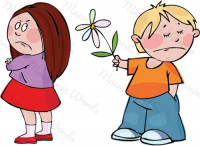
IPA: /teɪk/
to move or carry something with you

IPA: /siː/
to notice with your eyes or understand an idea
01
02
I know what you mean.
Please come in and take a seat.
We have time to make dinner.
Quick answers
Do is generally connected with an action, job or task, as in do homework. Make focuses on creating a result, as in make dinner or make a plan.
Go describes movement away from the speaker or towards another destination. Come describes movement towards the speaker or the place treated as the current point.
The present forms are am, is and are. The past forms are was and were, and the past participle is been.
Continue in Mnemonic Words
Add words from “Common verbs” to the app and review them in small moments — at home, on the go or whenever you have a minute.
From the Mnemonic Words team
GoNative
With GoNative, you can build a vocabulary list of your own and make steady progress at a pace that feels right.
German · French · Italian · Spanish · Portuguese · Polish