
know
IPA: /nəʊ/
to have information or understand something
English vocabulary by topic
Useful verbs for thoughts, knowledge, memory, wishes, preferences, hopes and worries.
Go to the wordsKnow, think, understand, remember and forget describe the mind and memory. Know expresses knowledge, think describes a mental process or opinion, understand expresses comprehension, and remember and forget show whether information stays in your memory.
Believe, hope and want express a belief, expectation or wish. Like and love show different strengths of positive feeling, while worry describes anxiety about a problem or possible event.
Vocabulary
Use the speaker icon to hear each word in British English.
IPA: /nəʊ/
to have information or understand something

IPA: /θɪŋk/
to use your mind or hold an opinion

IPA: /ˌʌndəˈstænd/
to know the meaning or reason for something

IPA: /rɪˈmɛmbə/
to keep something in your memory or bring it back to mind

IPA: /fəˈɡɛt/
to fail to remember something

IPA: /bɪˈliːv/
to accept that something is true

IPA: /həʊp/
to want something to happen and think it is possible
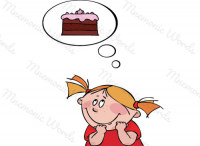
IPA: /wɒnt/
to wish for something or wish to do something

IPA: /laɪk/
to find someone or something pleasant

IPA: /lʌv/
to feel strong affection or enjoyment

IPA: /ˈwʌrɪ/
to feel anxious about a problem or possible event
01
02
I know the name, but I always forget the address.
I hope you remember to call me.
She believes the plan will work and wants to try it.
Quick answers
Know means have a fact or information: I know the answer. Think describes a mental process or opinion: I think it is right.
Like means find someone or something pleasant. Love expresses a stronger feeling or especially strong enjoyment.
Hope means wish for a possible result: I hope it works. Want directly expresses a wish or intention: I want to try.
Continue in Mnemonic Words
Add words from “Thinking and feeling verbs” to the app and review them in small moments — at home, on the go or whenever you have a minute.
From the Mnemonic Words team
GoNative
With GoNative, you can build a vocabulary list of your own and make steady progress at a pace that feels right.
German · French · Italian · Spanish · Portuguese · Polish