
happy
IPA: /ˈhæpɪ/
feeling or showing pleasure or contentment
English vocabulary by topic
Words for describing your mood, responding to another person and explaining how an event affects you.
Go to the wordsHappy, sad, angry, worried and excited describe strong everyday feelings. Calm, tired, afraid, surprised, proud, bored and nervous help you explain moods and reactions more precisely.
Use an adjective directly after feel: I feel tired. Use be to state the condition: She is worried. When you add the cause, choose a natural preposition such as about, of or by for that adjective.
Vocabulary
Use the speaker icon to hear each word in British English.
IPA: /ˈhæpɪ/
feeling or showing pleasure or contentment

IPA: /sæd/
feeling unhappy or sorry

IPA: /ˈæŋɡrɪ/
feeling strong displeasure about something

IPA: /ˈwʌrɪd/
thinking that something bad may happen

IPA: /ɪkˈsaɪtɪd/
feeling very happy and interested about something

IPA: /kɑːm/
relaxed and not worried or angry

IPA: /ˈtaɪəd/
needing rest or sleep

IPA: /əˈfreɪd/
feeling fear or worry about something
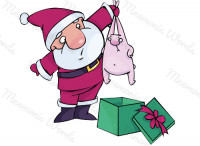
IPA: /səprˈaɪzd/
feeling surprise because something was unexpected

IPA: /praʊd/
pleased about an achievement or someone you value

IPA: /bɔːd/
uninterested because there is nothing enjoyable to do
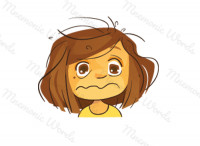
IPA: /ˈnɜːvəs/
worried or slightly afraid about what may happen
01
02
I feel tired, but I am happy.
She is worried about tomorrow’s exam.
We are excited about our trip.
Quick answers
Feel emphasises your inner experience: I feel nervous. Be simply states the condition: I am nervous. Both are natural in many everyday situations.
Bored describes the person who feels no interest. Boring describes the thing that causes that feeling: I am bored, but the film is boring.
Use about for the cause in common phrases such as worried about the result and excited about the holiday.
Continue in Mnemonic Words
Add words from “Feelings and emotions” to the app and review them in small moments — at home, on the go or whenever you have a minute.
From the Mnemonic Words team
GoNative
With GoNative, you can build a vocabulary list of your own and make steady progress at a pace that feels right.
German · French · Italian · Spanish · Portuguese · Polish