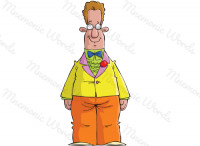
beautiful
IPA: /ˈbjuːtɪfʊl/
very attractive or pleasing
English vocabulary by topic
Useful words for describing an object, a person, an impression or a situation.
Go to the wordsAn adjective usually comes before a noun: an interesting book, a useful idea. After be and similar linking verbs, it describes the subject: The book is interesting. I am ready.
English adjectives do not change for gender or number: a popular song, popular songs. Focus on natural combinations and position in the sentence rather than word endings.
Vocabulary
Use the speaker icon to hear each word in British English.
IPA: /ˈbjuːtɪfʊl/
very attractive or pleasing

IPA: /ɪmˈpɔːtənt/
having great value, influence or effect

IPA: /ˈɪntrɪstɪŋ/
holding your attention or curiosity
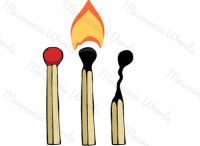
IPA: /ˈdɪfərənt/
not the same as someone or something else

IPA: /ˈpɒsɪbəl/
able to happen, exist or be done
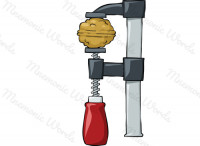
IPA: /ˈjuːsfʊl/
helpful for doing or achieving something

IPA: /ˈrɛdɪ/
prepared for an activity or situation

IPA: /ˈbɪzɪ/
having a lot to do

IPA: /ˈfeɪməs/
known by many people

IPA: /ˈpɒpjʊlə/
liked, enjoyed or used by many people

IPA: /ˈkʌmftəbəl/
pleasant and physically relaxing
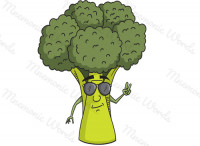
IPA: /ˈhɛlθɪ/
in good health or good for your health
01
02
This is an important question.
Are you ready to go?
We found a comfortable room.
Quick answers
It usually comes before a noun or after a linking verb: a beautiful place; The place is beautiful.
No. An English adjective keeps the same form: a different idea and different ideas.
Famous means known by many people. Popular means liked by many people or widely used, so something can be famous without being popular.
Continue in Mnemonic Words
Add words from “Common adjectives” to the app and review them in small moments — at home, on the go or whenever you have a minute.
From the Mnemonic Words team
GoNative
With GoNative, you can build a vocabulary list of your own and make steady progress at a pace that feels right.
German · French · Italian · Spanish · Portuguese · Polish