
big
IPA: /bɪɡ/
large in size or amount
English vocabulary by topic
Eight contrasting pairs for describing size, price, quality, temperature and other everyday properties.
Go to the wordsA contrast creates a useful link: big — small, clean — dirty, easy — difficult. When one word brings its opposite to mind, it becomes easier to choose the description you need in conversation.
An opposite depends on context. Hot can contrast with cold, but spicy contrasts with mild. Light can contrast with heavy or dark. Learn the pair with a noun: hot tea — cold tea, a light bag — a heavy bag.
Vocabulary
Use the speaker icon to hear each word in British English.
IPA: /bɪɡ/
large in size or amount
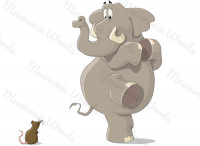
IPA: /smɔːl/
little in size or amount

IPA: /ɡʊd/
pleasant, suitable or of high quality
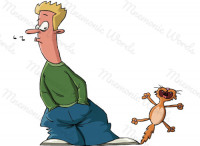
IPA: /bæd/
unpleasant, unsuitable or of low quality
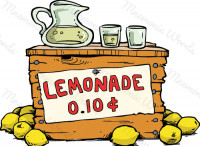
IPA: /tʃiːp/
costing little money
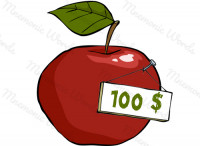
IPA: /ɪkˈspɛnsɪv/
costing a lot of money
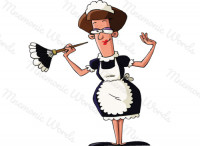
IPA: /kliːn/
not dirty
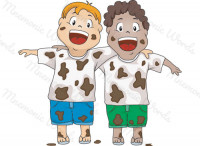
IPA: /ˈdɜːtɪ/
not clean

IPA: /hɒt/
having a high temperature
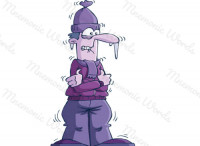
IPA: /kəʊld/
having a low temperature

IPA: /ˈiːzɪ/
not difficult to do or understand

IPA: /ˈdɪfɪkəlt/
needing effort or skill to do or understand
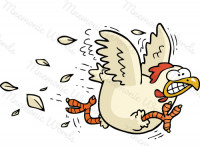
IPA: /fɑːst/
moving or happening quickly

IPA: /sləʊ/
moving or happening without speed
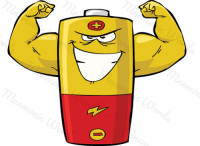
IPA: /strɒŋ/
having a lot of physical power or force
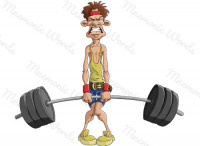
IPA: /wiːk/
not physically strong or powerful
01
02
The room is small but clean.
Is this exercise easy or difficult?
The coffee is still hot.
Quick answers
No. The right opposite depends on meaning. Light can contrast with heavy for weight and dark for colour or brightness.
Yes. Both adjectives can follow very: a very big house and a very small room.
Both describe a low price, but cheap can sometimes suggest low quality. Inexpensive is usually more neutral.
Continue in Mnemonic Words
Add words from “Opposite adjectives” to the app and review them in small moments — at home, on the go or whenever you have a minute.
From the Mnemonic Words team
GoNative
With GoNative, you can build a vocabulary list of your own and make steady progress at a pace that feels right.
German · French · Italian · Spanish · Portuguese · Polish