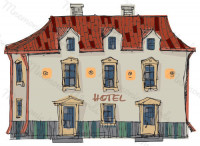
hotel
IPA: /həʊˈtɛl/
a place that provides rooms for travellers
English vocabulary by topic
Practical words for booking a room, checking in, asking about services, requesting help and checking out.
Go to the wordsWhen you arrive, tell reception that you have a reservation, give your name and confirm the type of room. A single room is for one guest, while a double room is normally for two people and has one double bed.
Check-in is the arrival process and check-out is the departure process. After registering, you receive a key or key card. It is also useful to ask whether breakfast is included, where the lift is and how to request an extra towel.
Vocabulary
Use the speaker icon to hear each word in British English.
IPA: /həʊˈtɛl/
a place that provides rooms for travellers
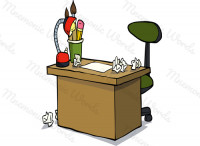
IPA: /ˌrɛzəˈveɪʃən/
an arrangement to have a room kept for you
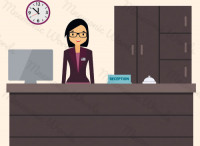
IPA: /rɪˈsɛpʃən/
the hotel desk where guests check in and ask for help

IPA: /ruːm/
a part of a hotel where a guest stays
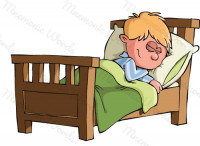
IPA: /ˈsɪŋɡəlrʊm/
a hotel room intended for one guest
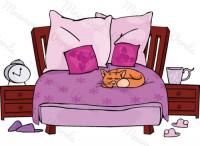
IPA: /ˈdʌbəlrʊm/
a room for two people, usually with one double bed
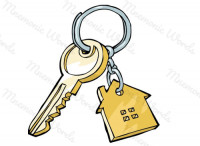
IPA: /kiː/
an object used to lock or unlock a hotel room door
IPA: /ˈtʃɛkɪn/
the process of registering when you arrive at a hotel
IPA: /ˈtʃɛkaʊt/
the process or time of leaving a hotel after your stay
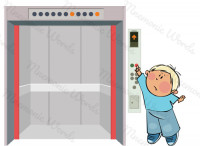
IPA: /lɪft/
a machine that carries people between floors

IPA: /ˈbrɛkfəst/
the first meal of the day, sometimes included with a room
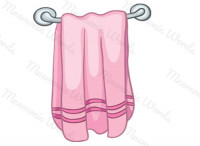
IPA: /ˈtaʊəl/
a piece of cloth used for drying yourself
01
02
I have a reservation under the name Kovalenko.
I’d like to check in, please.
Could we have a double room with breakfast?
What time is check-out?
Could I have two clean towels, please?
Quick answers
Check-in with a hyphen is a noun: Check-in starts at 2 p.m. Check in without a hyphen is a verb: I’d like to check in. The same pattern applies to check-out and check out.
A double room normally has one double bed. A twin room has two separate single beds. Both room types are intended for two guests.
Both words mean the same thing. Lift is usual in British English, while elevator is usual in American English.
Continue in Mnemonic Words
Add words from “Hotel” to the app and review them in small moments — at home, on the go or whenever you have a minute.
From the Mnemonic Words team
GoNative
With GoNative, you can build a vocabulary list of your own and make steady progress at a pace that feels right.
German · French · Italian · Spanish · Portuguese · Polish