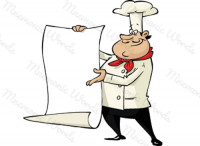
menu
IPA: /ˈmɛnjuː/
a list of food and drinks available to order
English vocabulary by topic
Practical words for booking a table, reading a menu, ordering food, asking for a recommendation and paying the bill.
Go to the wordsReservation and table are useful when you arrive, followed by menu, dish, drink and dessert. Use order and recommend while choosing food, then bill and receipt when it is time to pay.
Polite requests often begin with Could we have…? or I’d like…: Could we have the menu, please? and I’d like to order. Please commonly comes at the end of this kind of request.
Vocabulary
Use the speaker icon to hear each word in British English.
IPA: /ˈmɛnjuː/
a list of food and drinks available to order
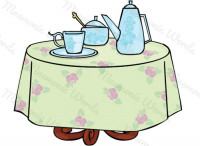
IPA: /ˈteɪbəl/
a piece of furniture where restaurant guests sit and eat

IPA: /ˈweɪtə/
a restaurant worker who serves food and drinks

IPA: /ˌrɛzəˈveɪʃən/
an arrangement to have a table kept for you
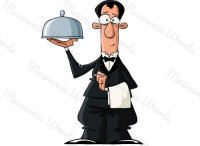
IPA: /ˈɔːdə/
food or drinks requested, or the act of requesting them
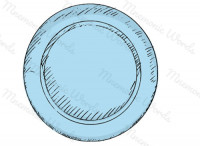
IPA: /dɪʃ/
food prepared and served as part of a meal

IPA: /drɪŋk/
a liquid such as water, juice or coffee
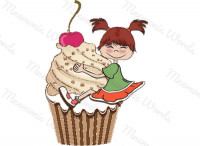
IPA: /dɪˈzɜːt/
sweet food eaten at the end of a meal
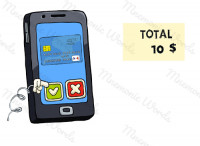
IPA: /bɪl/
a written statement of the amount you need to pay

IPA: /rɪˈsiːt/
a paper or electronic record showing that you paid

IPA: /ˈsɜːvɪs/
the work of serving and helping customers
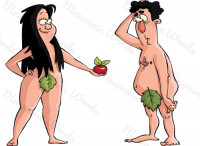
IPA: /ˌrɛkəˈmɛnd/
to suggest something as a good choice
01
02
We have a reservation for two.
I’d like to order this dish, please.
Could you recommend a dessert?
Could we have the bill, please?
Quick answers
A bill shows the amount you still need to pay. A receipt records the payment after you have made it.
In British English, say Could we have the bill, please? In American English, check is often used instead of bill.
It can be both: Our order is ready uses the noun, while I’d like to order uses the verb.
Continue in Mnemonic Words
Add words from “Restaurant and café” to the app and review them in small moments — at home, on the go or whenever you have a minute.
From the Mnemonic Words team
GoNative
With GoNative, you can build a vocabulary list of your own and make steady progress at a pace that feels right.
German · French · Italian · Spanish · Portuguese · Polish