
wake
IPA: /weɪk/
to stop sleeping or make someone stop sleeping
English vocabulary by topic
Verbs and expressions for talking about your usual morning, work or study, and evening.
Go to the wordsThe list moves from morning to evening: wake, wash, eat and drink, then leave, work or study, and at home cook, write, watch, return and sleep. Together, these verbs provide a simple framework for describing your day.
Learn each verb in a natural combination rather than alone: wake up, wash your face, have breakfast, leave home, return home, watch TV and go to sleep.
Vocabulary
Use the speaker icon to hear each word in British English.
IPA: /weɪk/
to stop sleeping or make someone stop sleeping

IPA: /wɒʃ/
to clean something with water
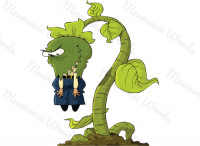
IPA: /iːt/
to put food in your mouth and swallow it
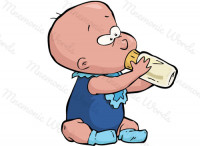
IPA: /drɪŋk/
to take liquid into your mouth and swallow it
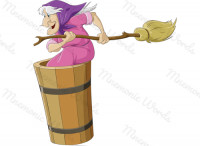
IPA: /liːv/
to go away from a place
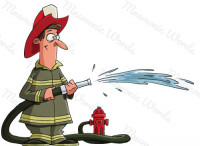
IPA: /wɜːk/
to do a job or perform a task

IPA: /ˈstʌdɪ/
to spend time learning about a subject
IPA: /kʊk/
to prepare food using heat

IPA: /raɪt/
to make words or symbols on a surface

IPA: /wɒtʃ/
to look at something for a period of time

IPA: /rɪˈtɜːn/
to come or go back to a place

IPA: /sliːp/
to rest with your eyes closed and mind inactive
01
02
I wake up at seven and wash my face.
She leaves home at eight and works until five.
We cook dinner and watch TV in the evening.
Quick answers
Wake can be transitive or intransitive: The noise woke me. In an everyday routine, wake up is more common: I wake up at seven.
Work means to do a job or perform a task. Study means to spend focused time learning a subject.
Go to bed describes moving to bed with the intention of sleeping. Sleep describes the state that follows.
Continue in Mnemonic Words
Add words from “Daily routine” to the app and review them in small moments — at home, on the go or whenever you have a minute.
From the Mnemonic Words team
GoNative
With GoNative, you can build a vocabulary list of your own and make steady progress at a pace that feels right.
German · French · Italian · Spanish · Portuguese · Polish