
health
IPA: /hɛlθ/
the condition of your body and mind
English vocabulary by topic
Practical words for making an appointment, describing simple symptoms, understanding a doctor’s questions and collecting medicine from a pharmacy.
Go to the wordsA visit to a doctor may begin with an appointment. During the consultation, name your main symptom and explain where you feel pain. More specific words such as headache, fever and cough help you describe how you feel clearly and briefly.
Temperature refers to the measurement of body heat, medicine is a substance used for treatment, and a prescription is a doctor’s written instruction for obtaining medicine. You normally take a prescription to a pharmacy. This vocabulary supports everyday questions but does not replace professional medical advice.
Vocabulary
Use the speaker icon to hear each word in British English.
IPA: /hɛlθ/
the condition of your body and mind

IPA: /ˈdɒktə/
a person trained to diagnose and treat illness

IPA: /əˈpɔɪntmənt/
an arranged time to see a doctor or another professional
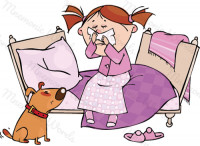
IPA: /ˈsɪmptəm/
a change in your body that may be a sign of illness

IPA: /peɪn/
an unpleasant physical feeling caused by illness or injury
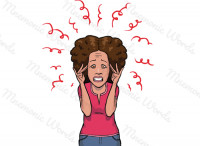
IPA: /ˈhɛdˌeɪk/
a pain in your head

IPA: /ˈfiːvə/
a high body temperature caused by illness

IPA: /kɒf/
an illness-related action that forces air out of your throat
IPA: /ˈtɛmprɪtʃə/
a measurement of how hot your body is

IPA: /ˈmɛdɪsɪn/
a substance used to treat or prevent illness

IPA: /prɪˈskrɪpʃən/
written instructions from a doctor for obtaining medicine
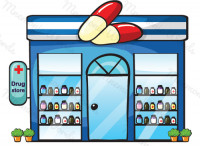
IPA: /ˈfɑːməsɪ/
a place where medicines are prepared and sold
01
02
I have an appointment with the doctor at ten.
I have a headache and a cough.
I have a fever, and my temperature is 38 degrees.
How often should I take this medicine?
Where can I collect this prescription?
Quick answers
Use make or book an appointment with a doctor: I’d like to book an appointment with a doctor.
Pain is the general word. A headache is pain specifically in your head; it is countable, so say a headache.
Medicine is the substance used for treatment. A prescription is a doctor’s written instruction that allows you to obtain certain medicine from a pharmacy.
Continue in Mnemonic Words
Add words from “Health and the doctor” to the app and review them in small moments — at home, on the go or whenever you have a minute.
From the Mnemonic Words team
GoNative
With GoNative, you can build a vocabulary list of your own and make steady progress at a pace that feels right.
German · French · Italian · Spanish · Portuguese · Polish